How GEO Influences ChatGPT Buying Suggestions: Unveiling AI Visibility Mechanics
Brand visibility in ChatGPT comes from showing up in authoritative sources and having legit credentials, not just keywords
Posted by
 Stewart Kaplan
Related reading
If your YouTube video titles match trending queries on Perplexity, you can get a boost - cross-platform trends matter.
How AI and GEO Replace Help Center SEO: System Visibility Mechanics
SEO and GEO aren’t enemies - help centers need both for search rankings and AI citations
How GEO Improves ChatGPT Trust Signals: AI Discovery Mechanics
System-level GEO means building out author entities, using verification schema, getting backlinks from big domains, and keeping NAP (Name, Address, Phone) the same everywhere - this creates unified signals AI trusts.
TL;DR
- ChatGPT picks products using structured merchant feeds with product names, descriptions, prices, stock status, and location - not traditional search rankings
- GEO optimization depends on trust signals: industry lists, certifications, online reviews (Yelp, Amazon), and social proof (Reddit, Quora)
- ChatGPT pulls info from Bing search, Bing Maps, and review platforms - these matter more than Google for its recommendations
- Product feeds drive ChatGPT Shopping by giving it structured data to match user queries with available inventory
- Brand visibility in ChatGPT comes from showing up in authoritative sources and having legit credentials, not just keywords
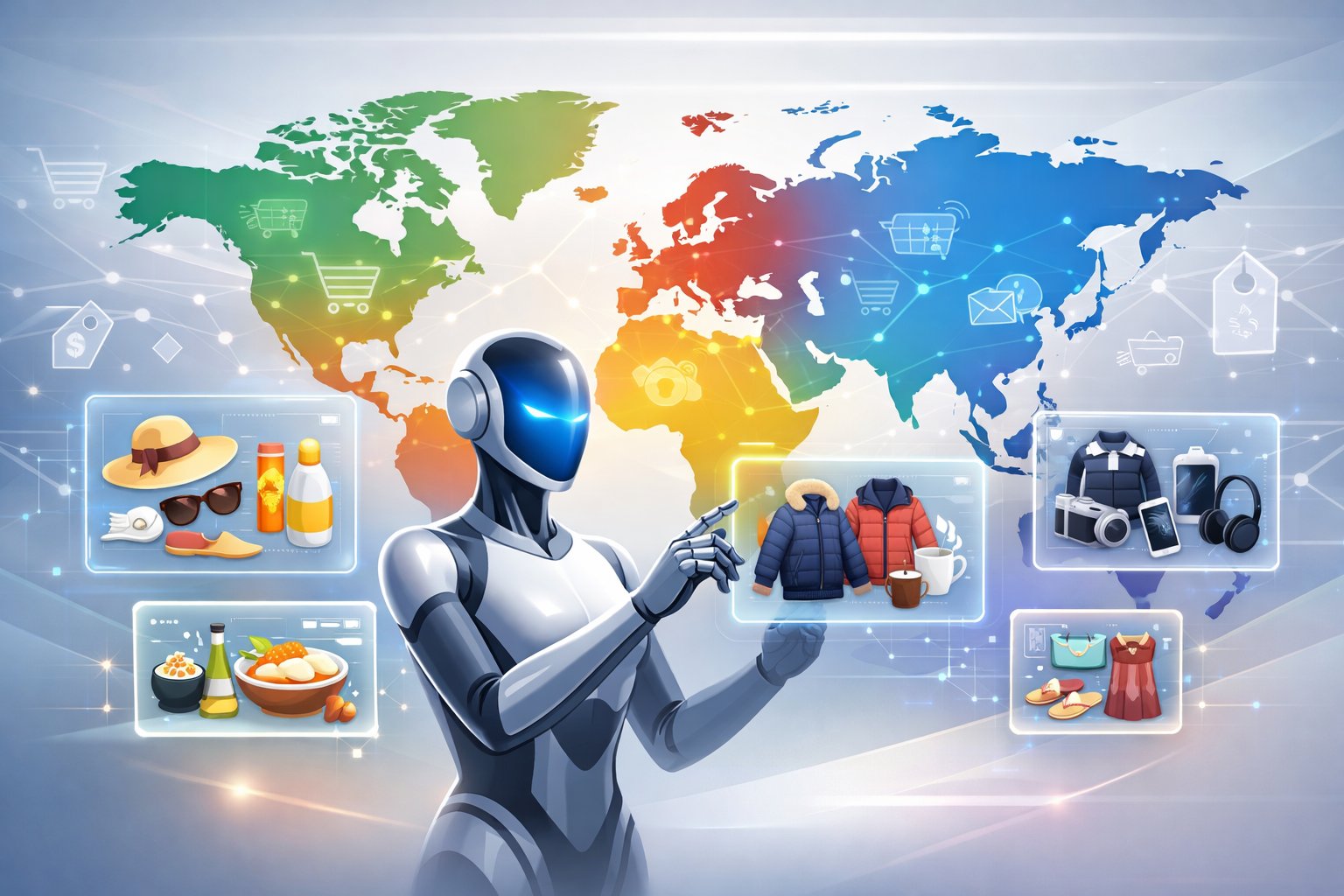
Core Mechanics: How GEO Shapes ChatGPT Buying Suggestions
ChatGPT evaluates products using trust signals, structured data feeds, and entity relationships, not just page authority. AI recommendations focus on machine-readable product details, review consistency, and agreement between sources - not backlink counts.
GEO Versus Traditional SEO in AI-Driven Commerce
| Factor | Traditional SEO | GEO for ChatGPT |
|---|---|---|
| Primary Signal | Backlinks, domain authority | Structured data, entity clarity |
| Content Goal | Rank page one | Get included in AI answers |
| Measurement | Click-throughs, impressions | Citation and recommendation rate |
| Optimization Unit | Individual page | Product entity everywhere |
| User Intent Match | Keyword relevance | Conversational context |
- SEO aims for page visits; GEO aims for entity retrieval
- SEO uses anchor text; GEO uses schema properties
- SEO tracks rankings; GEO tracks answer inclusion
AI resolves product entities by combining data from many sources. Products with consistent info across feeds, reviews, and markup show up more in ChatGPT suggestions.
Trust Signals and Authority in AI Recommendations
ChatGPT judges source reliability through consensus and consistent signals, not just domain metrics.
Trust evaluation steps:
- Cross-check product claims in multiple docs
- Give more weight to sources with verified structured data
- Favor merchants with consistent review patterns
- Filter out entities with conflicting info
Review quality matters more than quantity. AI spots fake or inconsistent reviews and lowers those products' chances.
Authority signals prioritized:
- Verified merchant status in feeds
- Schema markup (ratings, price, availability)
- Consistent product details everywhere
- Clear return policies and fulfillment info
Authority and trust decide which products show up in recommendations. Sparse or conflicting info gets filtered out before answers are even generated.
Product Feeds, Structured Data, and Schema Markup Essentials
Structured merchant feeds fuel ChatGPT shopping discovery by giving AI machine-readable catalogs to query.
Required product feed elements:
- Unique IDs (GTIN, MPN, SKU)
- Detailed attributes (size, color, material, compatibility)
- Real-time availability and pricing
- Fulfillment options (shipping, pickup, delivery times)
- Standard taxonomy alignment
Schema markup types for GEO:
| Schema Type | Key Properties | GEO Impact |
|---|---|---|
| Product | name, description, offers, aggregateRating | Enables entity extraction |
| Offer | price, availability, priceValidUntil | Powers price queries |
| AggregateRating | ratingValue, reviewCount, bestRating | Trust signal |
| Organization | address, geo, serviceArea | Location filtering |
Rule → Example:
Rule: Use complete Product and Offer schema on all product pages.
Example: <script type="application/ld+json">{ "name": "Wireless Earbuds", "offers": { "price": "79.99", "availability": "InStock" } }</script>
Products missing schema or with incomplete feeds almost never appear in AI recommendations, even if their SEO is strong.
Practical Levers: System-Level Inputs That Influence Product Selection
See Where You Stand in
AI Search
Get a free audit showing exactly how visible your brand is to ChatGPT, Claude, and Perplexity. Our team will analyze your current AI footprint and show you specific opportunities to improve.
AI shopping assistants use three main input layers for product picks: structured location and intent signals, merchant catalog data and integrations, and the conversational interface that gathers context.
Location, Catalog Structure, and Personalization Signals
| Signal Type | How It Works | Selection Impact |
|---|---|---|
| Geographic | IP/location, delivery radius | Filters inventory by fulfillment |
| Catalog taxonomy | Category depth, attribute completeness | Sets retrieval pool |
| Behavioral | Purchase history, browsing, cart | Ranks eligible products |
- Location filtering is first: Products show up only if they're available in the user's delivery/pickup area.
- Catalog structure: More detailed attributes (material, use case, size) match more queries.
- Personalization: Recent behavior and preferences tweak the order, but only after location/catalog filters.
Merchant Integrations and Agentic Commerce Protocols
Direct merchant feeds:
- Shopify APIs (real-time inventory)
- Etsy catalogs via integrations
- Custom XML/JSON feeds for AI indexes
Agentic commerce protocols (ACP):
- Define which merchants AI can access
- Set pricing, availability, fulfillment terms
- Decide if AI can do instant checkout or needs user action
Rule → Example:
Rule: Only merchants with integrated feeds or ACP participation are visible to AI shopping assistants.
Example: A Shopify store with real-time API sync appears in ChatGPT's shopping suggestions; a standalone website without integration does not.
AI commerce mode queries merchant APIs directly, not indexed web pages.
Conversational Flows and Customer Journey Mapping
Standard flow:
See Where You Stand in
AI Search
Get a free audit showing exactly how visible your brand is to ChatGPT, Claude, and Perplexity. Our team will analyze your current AI footprint and show you specific opportunities to improve.
- Extract intent (category, price, use case)
- Gather constraints (location, delivery, brand)
- Query catalog with those parameters
- Present ranked results with explanations
Design decisions:
- Explicit signals: Asking for budget or delivery window captures info AI can't guess
- Progressive disclosure: Multi-turn chats refine options ("Need waterproof?")
- Checkout friction: Fewer steps = higher conversion, but needs merchant integration
| Journey Stage | AI Behavior | Merchant Control |
|---|---|---|
| Discovery | Fetches from indexed catalogs | Catalog completeness, ACP |
| Comparison | Surfaces key attributes | Structured metadata |
| Decision | Answers follow-ups | FAQ, reviews |
| Checkout | Executes or redirects | Payment, instant checkout |
Rule → Example:
Rule: If users often ask about shipping or returns, put those in structured fields.
Example: Add "returnPolicy" and "shippingDetails" in product schema.
Frequently Asked Questions
What factors does ChatGPT consider for location-based product recommendations?
| Factor | Description |
|---|---|
| IP geolocation | Detects user's city or region |
| Store proximity | Finds closest locations with inventory |
| Delivery zone | Filters by fulfillment area |
| Regional pricing | Shows local prices/promos |
| Local inventory | Prioritizes in-stock nearby |
| Pickup window | Identifies fast availability |
Products missing structured location data are excluded, even if they match other criteria.
Trust signals with geographic info - like consistent address, store hours, and fulfillment - boost confidence scores.
How does the integration of geographical data enhance the personalization of purchasing advice in ChatGPT?
| Signal Type | Geographic Layer | Personalization Effect |
|---|---|---|
| Purchase history | Past store visits | Suggests familiar brands/locations |
| Browsing | Regional product views | Highlights local variants |
| Query time | Store hours | Prioritizes pickup-ready options |
| Device location | Real-time position | Adjusts search radius |
| Account prefs | Saved addresses | Defaults to preferred zones |
Rule → Example:
Rule: Combine location and user behavior to personalize product recommendations.
Example: A user who always shops at a specific store sees more options from that location when nearby.
First-party data (like wish lists or past purchases) filters recommendations by both product affinity and local availability, making the path from discovery to purchase smoother.
In what ways do regional trends impact ChatGPT's suggestions for buyers?
Regional demand shapes which products pop up in responses:
- Seasonal variations – Ski gear shows up in mountain towns during winter.
- Climate-driven preferences – Air conditioners are suggested more often in hot places, no matter the season.
- Local event targeting – Concert merch appears for users near venues during tour stops.
- Cultural product adoption – Local tastes change which foods, clothes, or home goods get recommended.
- Urban vs. rural segmentation – Apartment-friendly items get pushed in big cities.
| Factor | Influence on Suggestions |
|---|---|
| Regional sales, search, engagement | High local performance boosts product visibility. |
| Weather data | Current conditions trigger relevant items (rain gear, etc). |
| Inventory distribution | Local stock levels raise or lower a product’s ranking. |
- Products with strong performance in a region get a boost in local results.
- Weather triggers: ChatGPT might suggest sunscreen if it’s sunny in your area, or umbrellas if rain’s coming.
- If an item’s out of stock nearby, it drops down in suggestions - even if it’s popular elsewhere.
What role does user location play in ChatGPT's predictive shopping algorithms?
User location acts as both a filter and a ranking factor:
Constraint resolution phase:
- Detects geographic intent (like “near me” or “pickup today”)
- Calculates user radius from IP or GPS
- Filters catalog to only show items available nearby
- Checks inventory at local stores
Ranking phase:
- Measures distance to closest available inventory
- Adds delivery time to relevance score
- Applies local prices and promotions
- Weighs store capacity and fulfillment reliability
- Products must pass location filters before ranking.
- Frequent searches or purchases from a region train the model to link certain products with that area.
How does ChatGPT ensure relevance in its shopping suggestions for users from different geographies?
Relevance adapts to location through layered checks:
Data validation layers:
- Product data includes location-specific details (availability, price, delivery zones)
- Store feeds update hourly for inventory accuracy
- Address normalization fixes mismatched locations
- Fulfillment promises checked against real service
Ranking adjustments:
- Incomplete geographic data gets penalized
- Price consistency checked across regions
- Delivery time predictions compared with past results
- User feedback flags location-based failures
| Rule | Example |
|---|---|
| Trust region-specific data more | Use store-level inventory for local suggestions |
| Reward merchants with accurate coverage | Boost brands proven reliable in user’s geography |
| Penalize poor location data | Lower ranking for brands with mismatched inventory |
- Geo-based product feeds include store inventory, local prices, and fulfillment zones.
- Merchants with proven accuracy in a region get preference for local queries; those with unreliable data get less visibility.
See Where You Stand in
AI Search
Get a free audit showing exactly how visible your brand is to ChatGPT, Claude, and Perplexity. Our team will analyze your current AI footprint and show you specific opportunities to improve.